Why Transferring Bike Ownership Actually Matters
When you buy or sell a used motorcycle in Pakistan, the deal isn't truly finished when the cash changes hands. It's finished when the bike is legally registered in the new owner's name. Skipping this step is one of the most common and most costly mistakes riders make.
If a bike is still registered in the seller's name, the seller stays legally linked to it. That means any traffic challan, accident, or even a crime committed on that bike can come back to the original owner. And the buyer? Without the transfer, they aren't recognised as the legal owner at all. Transferring ownership protects both sides, which is exactly why it should never be treated as optional.
Big 2026 Update: Bike Transfer Is Now Free in Punjab
Here's the good news that's making 2026 a great time to finally sort out your paperwork. The Punjab government has waived the transfer fee for motorcycles, meaning bike ownership transfer in Punjab is currently free of charge. The smart card fee for the new registration is also being issued at no cost under this relief.
This was introduced to encourage people to properly update ownership records, since thousands of bikes across the province have stayed registered under old owners purely to avoid the fees. If you've been putting off a transfer, this is the moment to act, because relief schemes like this are usually time-limited and can revert to full fees later.
Important: This free-transfer relief applies to Punjab. Other provinces such as Sindh and Khyber Pakhtunkhwa still follow their own fee structures. Always confirm the current status on your provincial Excise portal before you go, since government policies change.
Documents You'll Need
Whether you do it online or in person, gather these before you start. Missing paperwork is the number one reason transfers get delayed.
- Original CNIC + copies of both the buyer and the seller
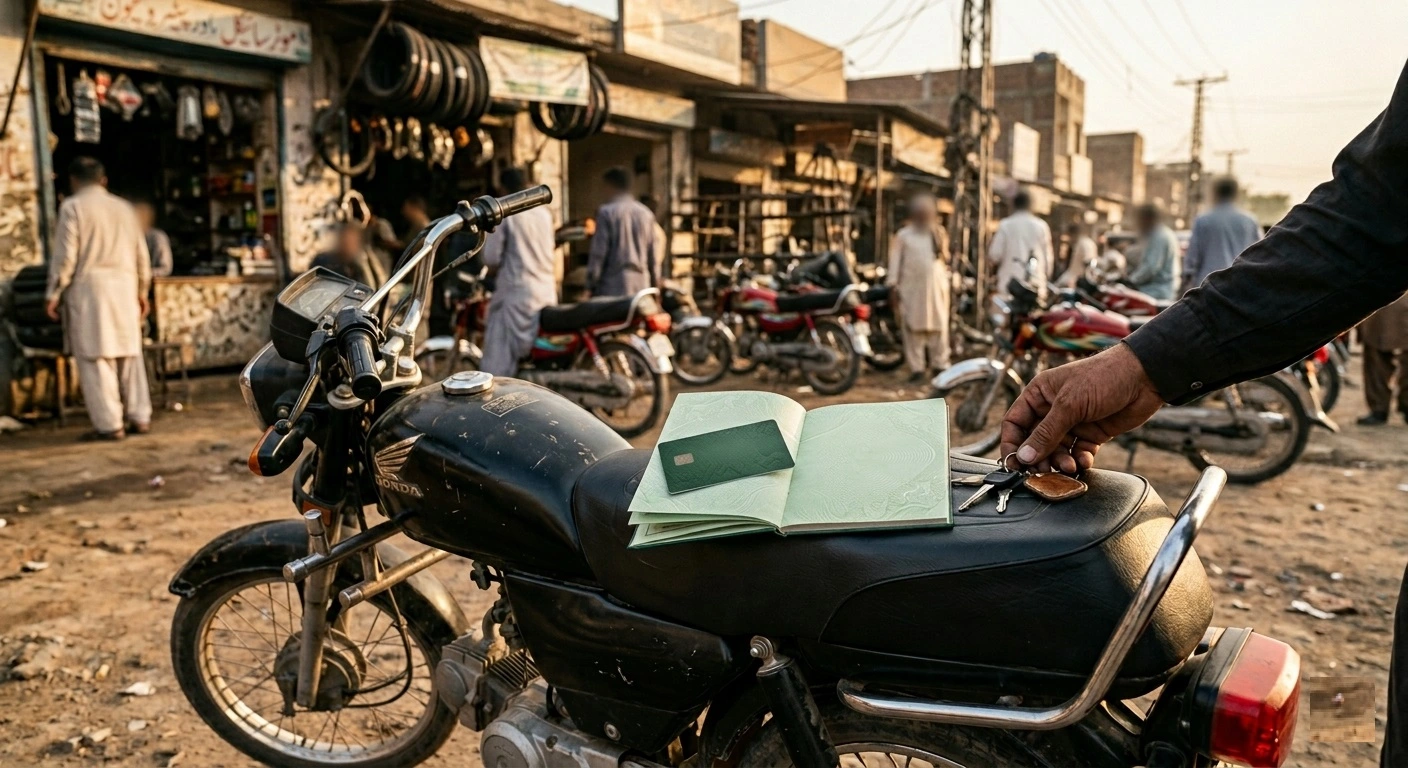
- The bike's registration book or smart card (the official ownership document)
- Transfer of Ownership form (TO Form) - downloadable from the Excise website or available at the office
- Sale agreement or receipt showing the agreed price and date of sale
- Recent photographs if requested by your local office
Both parties need to be available for biometric thumb verification, so plan the transfer for a day when the buyer and seller can be present together.
The Step-by-Step Process
In Punjab the process is now partly digital: you can prepare and check everything online, but the final biometric verification still has to be done in person. Here's how it flows from start to finish.
Step 1: Verify the Bike Before You Transfer
Before anything else, check the bike's record on the official Punjab Excise portal (excise.punjab.gov.pk) or the MTMIS service. Confirm the registration details match, and look for any pending challans or unpaid token tax. These must be cleared first, otherwise the transfer cannot go through. As a buyer, never skip this, it's how you avoid inheriting someone else's dues.
Step 2: Clear Any Dues via ePay Punjab
If there are outstanding taxes or challans, use the ePay Punjab app or website to generate a PSID (a payment ID) and settle them online. Even though the transfer fee itself is currently waived in Punjab, any older token tax or fines still need to be paid before the bike is clean to transfer.
Step 3: Complete Biometric Verification
Both buyer and seller visit the nearest Excise and Taxation office together and provide their biometric thumb impressions. This step is what permanently kills the old "open transfer letter" culture, where bikes were sold on with a signed blank letter and never properly transferred. Biometric verification protects everyone from fraud.
Step 4: Submit the TO Form and Documents
Hand over the completed Transfer of Ownership form along with the CNIC copies, registration book or smart card, and sale receipt. The department checks everything and processes the application.
Step 5: Collect the New Smart Card
Once approved, a new smart card is issued in the buyer's name, the bike is now legally theirs. You can track the application status online, so you don't need to keep visiting the office to check progress.
The 30-Day Rule You Can't Ignore
This catches a lot of people out. In Punjab, you're expected to complete the transfer within 30 days of the sale. Miss that window and you can face late penalties, and these late fees are often far higher than the normal transfer cost would have been. So even with the fee currently waived, dragging your feet can still end up costing you. The simple rule: transfer immediately after the sale, not "next month."
Common Mistakes to Avoid
- Selling on an open letter: Never sell or buy a bike on just a signed letter without doing the real transfer. If the new owner never transfers it, every future challan is still yours.
- Skipping biometric verification: Without it, the transfer isn't valid, no matter what paperwork you were handed.
- Not checking challans and token tax first: Unpaid dues will block the transfer and can become the buyer's headache.
- Over-relying on agents: Many agents charge extra for steps you can easily do yourself online or at the office. Knowing the process saves you money.
- Using fake or incomplete documents: This can lead to legal penalties and a rejected application.
Buying a Used Bike? Do This First
The smoothest transfers start with a clean, honest sale. Before you commit to any used motorcycle, make sure the bike is mechanically sound and that the seller's documents genuinely match the bike. A proper inspection now saves you from disputes later, especially when your name is about to go on the registration.
At Byke Lelo, you can browse verified used bikes from sellers across Pakistan, and if you're not confident checking a bike yourself, our bike inspection service helps you spot problems before you pay. Planning to sell instead? Listing on Byke Lelo connects you with serious buyers who are ready to complete a proper, legal transfer.
Frequently Asked Questions
Is bike transfer really free in Punjab in 2026?
Yes, the Punjab government has waived the motorcycle transfer fee and is issuing the new smart card free under a relief scheme. You may still need to clear any old token tax or challans, and biometric verification at NADRA centres can carry a small charge. Always confirm the current status on the Excise portal, as relief schemes can end.
Can I transfer a bike completely online?
Not entirely. You can verify the bike, clear dues, and prepare forms online through ePay Punjab and the Excise portal, but the final biometric verification still requires both buyer and seller to be physically present at the office.
What if the seller lives in another city?
Because biometric verification needs both parties, plan the transfer for a time you can both attend the same office. This is exactly why buying from sellers you can actually meet, and verify, matters so much.
How long does the transfer take?
Once your documents and biometrics are submitted and approved, the new smart card is processed and issued in the buyer's name. You can track the status online while you wait.
Final Word
Transferring bike ownership isn't just a formality, it's the step that makes you the real, legal owner and keeps the seller protected too. With Punjab waving the fee in 2026 and the process now partly online, there's genuinely never been an easier or cheaper time to get it done. Sort the paperwork, do the biometric, collect your smart card, and ride with complete peace of mind.
Ready to find your next ride? Browse all bikes on Byke Lelo and start your journey the right way.