
Petrol Rs 390 Paar. Kya Ab Electric Bike Lene Ka Waqt Aa Gaya Hai?
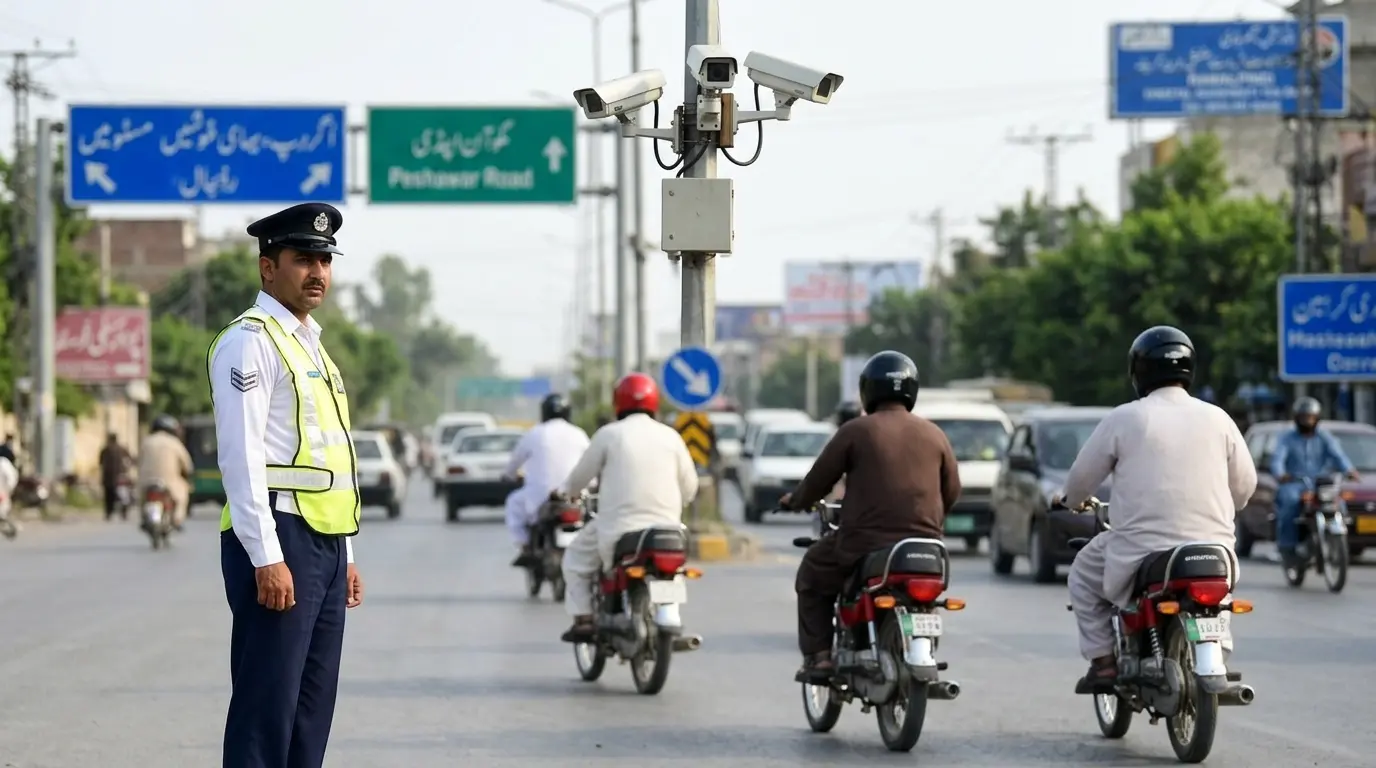
Lahore, Karachi ya Rawalpindi ke kisi bhi chai dhabay par chale jayen, ek hi baat ho rahi hai: petrol ke rate ne tang kar diya hai. On 2 October 2026 petrol went up to Rs 390.66 per litre, and with OGRA now changing the price almost every day, nobody knows what the next week will bring. A daily commuter on a 70cc bike now spends close to Rs 8,000 a month on petrol alone, before oil changes, tuning and repairs.
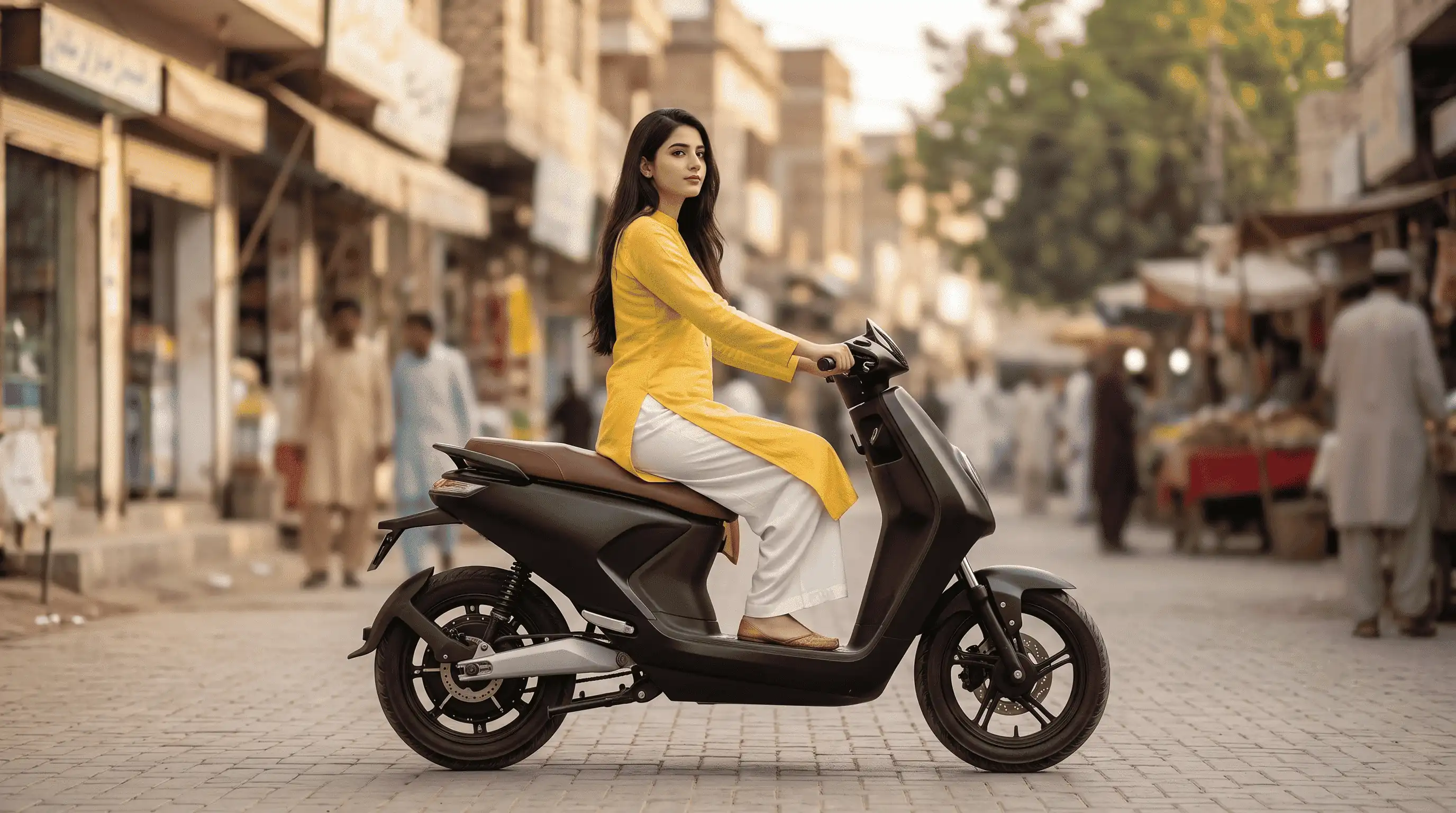
No surprise, then, that electric bike price in Pakistan is one of the most searched questions among riders right now. The government is pushing e-bikes through the PM Electric Bike Scheme, Punjab has its own scheme, and roughly 84 companies are now selling electric motorcycles. But kya ye waqai normal commuter ke liye faida mand hai, ya sirf hype?
Is guide mein seedhay jawab hain: real prices, honest range, the Rs 80,000 government subsidy, a proper electric vs petrol cost comparison at today's petrol rate, and the things dealers will not tell you.
Electric Bike Price in Pakistan 2026
Price depends mostly on the battery and the brand. Here is how the market breaks down right now:
| Segment | Price Range | Who It Suits |
|---|---|---|
| Entry level e-scooty | Rs 90,000 to 150,000 | Students, short city runs, lower speed |
| Commuter e-bike | Rs 150,000 to 300,000 | Most buyers. Proper bike build, 50 to 90 km range |
| Premium e-bike | Rs 300,000 to 600,000 | Bigger lithium battery, longer range, smart features |
Popular Electric Bike Prices
| Model | Price | Type |
|---|---|---|
| Yadea M3 | Rs 169,000 | Scooter |
| Yadea GT30 | Rs 189,000 | Scooter |
| Yadea T5 | Rs 248,500 | Scooter |
| Yadea G5 | Rs 280,000 | Scooter |
| Inverex GO Vexa | Rs 285,000 | Scooter |
| Inverex GO Volterra Lite | Rs 389,000 | Motorcycle |
| Inverex GO Charlie Lite | Rs 449,000 | Motorcycle |
Retail prices as listed in 2026. Prices change by city, dealer and battery option, so confirm before buying.
Local favourites like the Jolta JE 70D, Pakzon PE 70L and Vlektra Bolt are also worth a look. See every model with current prices on our electric bikes page. Inverex's 30 second battery swap models are explained in detail in our Inverex GO price guide.
Ek zaroori baat: sirf price tag dekh kar faisla na karein. A cheap bike with a weak lead acid battery can cost you more over three years than a slightly pricier model with a proper lithium or LFP battery.
Range and Charging: Asal Numbers
Brands advertise big range figures, but add a rider, traffic and a few flyovers and the real number drops. Expect this:
- Range per charge: most commuter e-bikes give 50 to 90 km in real conditions. Premium models with bigger batteries can reach 100 to 120 km.
- Charging time: usually 4 to 6 hours from a normal home socket. No special station needed. Raat ko plug lagayen, subah ready.
- Charging cost: around 2 to 3 units per full charge. At about Rs 55 per unit, a daily commuter spends roughly Rs 1,000 to 1,500 a month.
Simple test: apne rozana ke kilometre jor lein. If you ride 30 to 40 km a day in the city, a commuter e-bike handles it easily on one overnight charge. If you regularly ride between cities, electric is not the right tool yet.
PM Electric Bike Scheme 2026 (PAVE Phase 2)
The federal government's Pakistan Accelerated Vehicle Electrification (PAVE) programme is the biggest reason electric bikes are now within reach. Phase 1 depended on bank financing, and banks approved only about 4,075 of 44,689 applications. Phase 2, approved in May 2026, fixed that.
| PAVE Phase 2 | Details |
|---|---|
| Subsidy | Rs 80,000 per electric bike |
| Bikes on offer | 76,000 e-bikes, plus 2,170 e-rickshaws and loaders |
| Selection | First come, first served. No balloting |
| Payment | You pay the price minus the subsidy. Subsidy goes directly to the manufacturer |
| Eligible bikes | Only EDB-approved models on the PAVE list |
| Apply at | pave.gov.pk (free) |
Matlab, an approved e-bike listed at Rs 200,000 would cost you around Rs 120,000 after the subsidy. Federal employees in grade 16 and below get an easier instalment route, and a small quota is reserved for top-scoring students. Full eligibility and steps are in our PM Electric Bike Scheme guide. Punjab residents should also check the CM Punjab E-Bike Scheme, which offers zero down payment for students.
Fake links se bachein
Only apply through the official portal at pave.gov.pk. Social media is full of fake registration links and "agents" asking for fees. The official process is free, and nobody can get you priority for money.
Electric vs Petrol Bike: Kharcha Ka Asal Hisaab
Ye wo sawal hai jo sach mein matter karta hai. Here are real numbers for a commuter riding about 1,000 km a month, at today's petrol price:
| Monthly Cost | 70cc Petrol Bike | Electric Bike |
|---|---|---|
| Energy | 20 litres x Rs 390.66 = Rs 7,813 | About 25 units x Rs 55 = Rs 1,375 |
| Oil change, tuning, plugs | Around Rs 500 | None |
| Battery replacement reserve | Not needed | Around Rs 1,560 |
| Total per month | About Rs 8,300 | About Rs 2,935 |
Assumptions: petrol bike at 50 km/l, petrol Rs 390.66 per litre (2 October 2026), e-bike using 2.5 units per 100 km, electricity Rs 55 per unit, lithium battery replacement of about Rs 75,000 every four years. Your tariff slab and riding will change these figures.
That is a saving of roughly Rs 5,300 every month, or around Rs 64,000 a year, even after putting money aside for a new battery. With the PAVE subsidy, many riders recover the extra purchase cost within the first year. For the full breakdown of what a petrol bike costs to run, see what a CD 70 costs every year, and for payback periods at different e-bike prices, read Pakistan's electric bike boom.
Lekin yaad rahe: ye hisaab sirf tab kaam karta hai jab bike aap ki riding ke mutabiq ho. For a city commuter with a fixed daily route, electric makes strong financial sense. For long, unpredictable trips, the savings disappear behind the waiting.
Electric Bike Khareedne Se Pehle Ye Check Karein
- Battery type: Lithium and LFP (LiFePO4) cost more but last 5 years or more, charge faster and handle our heat better. Lead acid and "graphene" batteries wear out much sooner. The battery is the most expensive part of the bike, so this matters most.
- After sales service: with 84 brands in the market, not all will survive. Buy from a brand with a dealer and service centre in your city today, not one that "will open soon".
- Warranty in writing: get the battery and motor warranty on paper and read what it actually covers.
- Real range, not advertised range: ask the dealer for real range with a rider, and take a test ride if possible.
- Container imports: cheap unbranded imports may look identical to branded models but usually have no warranty, no parts and no resale.
- Registration: electric bikes still need registration and a number plate. Check your exact on-road cost with the price calculator.
Electric Bikes in Pakistan 2027: Kya Expect Karein?
If you are thinking of waiting for 2027 electric bike models, here is the honest picture. More brands are entering every month, big names like Inverex have already arrived, and battery swapping is starting in some cities. More competition usually means better batteries and sharper prices over time. But nobody can promise that 2027 prices will be lower, and the PAVE subsidy is first come, first served, so it will not wait for you. Agar aap ki zaroorat aaj hai aur riding city tak hai, intezaar ka faida kam aur nuqsan zyada hai.
To Kisay Electric Bike Leni Chahiye?
Electric bike smart choice hai agar aap:
- Zyada tar apne shehar ke andar chalte hain
- Rozana 60 km se kam ka fixed route hai
- Ghar par charge kar sakte hain
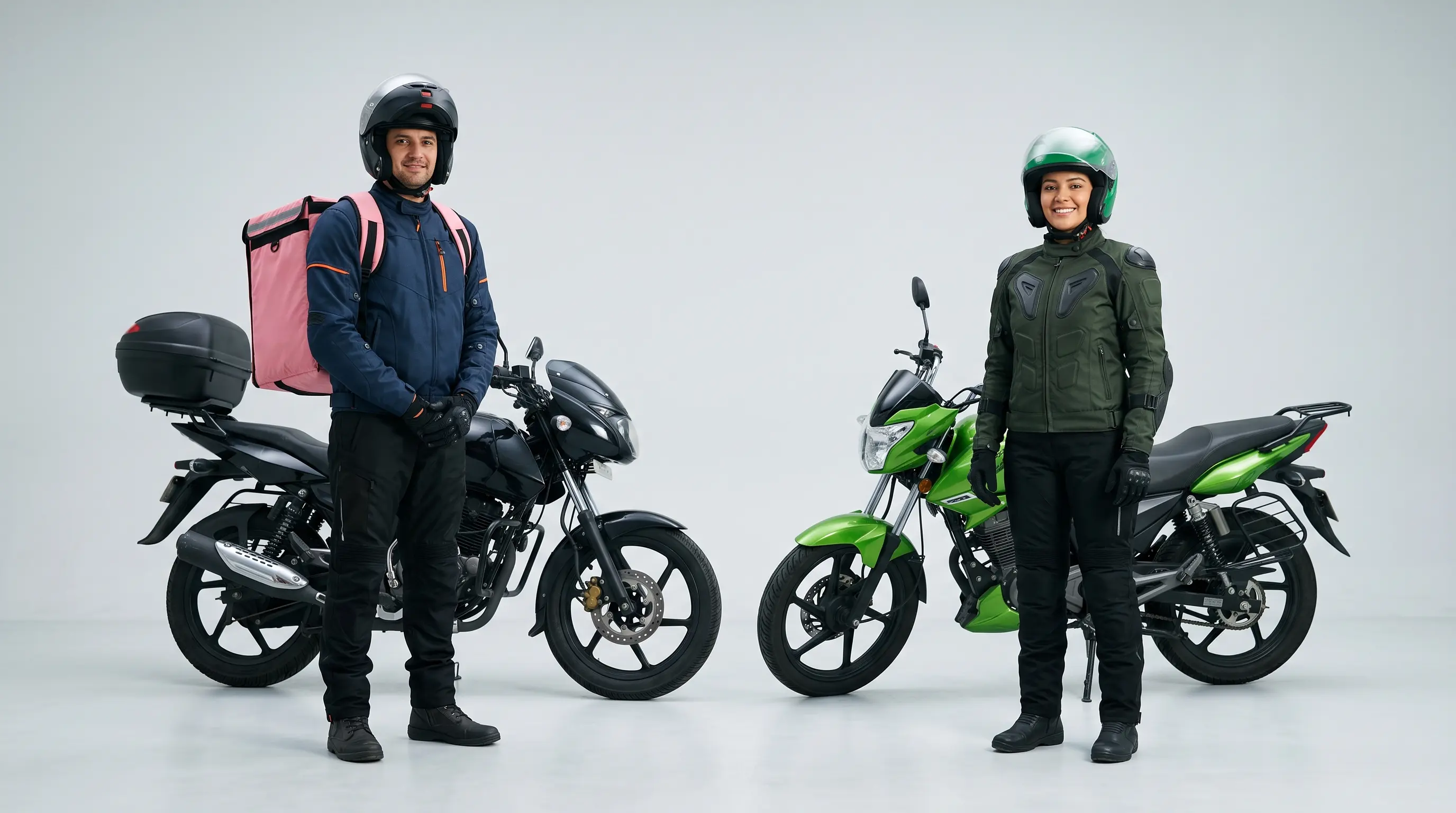
- Student, office worker ya delivery rider hain aur monthly kharcha kam karna chahte hain
Abhi petrol bike behtar hai agar aap:
- Aksar ek shehar se doosre shehar jaate hain
- Ghar par reliable charging nahi hai ya load shedding zyada hai
- Paanch minute mein refuel karke nikalna zaroori hai
- Strong resale chahte hain (a petrol bike like the Honda CD 70 still resells far better)
Achhi khabar ye hai ke faisla har saal asaan hota ja raha hai. With petrol near Rs 390 and an Rs 80,000 subsidy on the table, going electric in 2026 is no longer a gamble for most city commuters. It is just smart budgeting.
Before you buy
See all electric models and prices on the electric bikes page.
Compare an e-bike against a petrol bike with the bike comparison tool, and check today's petrol price in Pakistan.
Browse used bikes, or sell your petrol bike free to fund the switch.
Frequently Asked Questions
What is the electric bike price in Pakistan 2026?
Entry level e-scooties start around Rs 90,000. Most commuter electric bikes cost Rs 150,000 to 300,000, and premium models go up to Rs 600,000. For example, the Yadea M3 is Rs 169,000 and the Yadea G5 is Rs 280,000.
How much is the subsidy in the PM Electric Bike Scheme?
Under PAVE Phase 2 the subsidy is Rs 80,000 per electric bike. You pay the price minus the subsidy, and bikes are given on a first come, first served basis. Apply only at pave.gov.pk.
Electric bike ek charge mein kitna chalti hai?
Real conditions mein zyada tar commuter e-bikes 50 se 90 km chalti hain. Bari battery wale premium models 100 se 120 km tak ja sakte hain.
How much does it cost to charge an electric bike in Pakistan?
A full charge uses about 2 to 3 units of electricity. At around Rs 55 per unit, a daily commuter spends roughly Rs 1,000 to 1,500 a month.
Is an electric bike cheaper than a petrol bike?
To run, yes. At petrol of Rs 390.66 per litre, a commuter riding 1,000 km a month saves around Rs 5,300 a month, even after setting aside money for a future battery. To buy, most e-bikes cost more than a 70cc petrol bike unless you get the subsidy.
Which battery is best for an electric bike?
Lithium or LFP (LiFePO4). They cost more upfront but last 5 years or more and handle heat better than lead acid or graphene batteries.
Should I wait for 2027 electric bike models?
Only if you do not need a bike now. Prices may improve with competition, but that is not guaranteed, and the Rs 80,000 subsidy is first come, first served.
Prices are retail listings from 2026 and vary by city and dealer. Petrol price is OGRA's rate effective 2 October 2026 and now changes almost daily. Subsidy details are from PAVE Phase 2 as approved in May 2026. Always confirm current rules at pave.gov.pk. Byke Lelo has no commercial relationship with any brand mentioned.
Jab byke chahye, sirf Byke Lelo.